There is no single Texas rule making one side pay every land-sale cost. The purchase contract allocates title insurance, escrow, survey, recording, brokerage, and other charges. Sellers also account for lien payoffs and prorated taxes. Before accepting a price, ask for a written estimate of net proceeds so you can compare what you will actually receive—not just the headline offer.
Key takeaways
- The purchase contract—not a single statewide custom—allocates most land-sale costs.
- Seller expenses may include brokerage compensation, title or escrow charges, taxes, liens, and survey work.
- A higher purchase price can produce lower net proceeds after costs and carrying time.
- Compare offers with a written seller net sheet and the complete contract terms.
Which costs does a Texas land seller usually face?
Sellers commonly face brokerage, title, escrow, tax, lien, survey, and document costs, but the actual allocation depends on the parcel, contract, closing provider, and sales method. Common items include:
- Brokerage compensation: If a seller hires a broker, compensation follows the listing or other written agreement. It is negotiable, not set by law.
- Owner’s title policy: The contract states whether the buyer or seller pays. Texas regulates title-insurance premium rates, and the Texas Department of Insurance publishes the current basic premium schedule.
- Escrow or settlement fees: These may be split or assigned to one party under the contract.
- Deed preparation and lien releases: Existing liens normally must be addressed to deliver the agreed title. Payoff, release, and document-preparation charges can reduce proceeds.
- Property taxes: Current-year taxes are often prorated through closing, while delinquent taxes generally must be paid or otherwise handled.
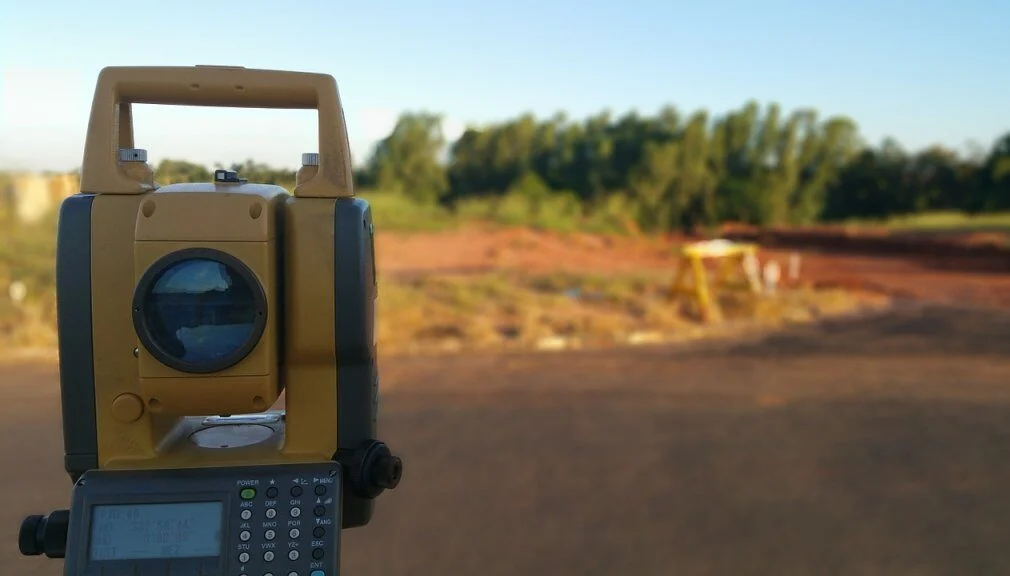
- Survey or boundary work: The contract should say whether an existing survey is acceptable, whether a new survey is required, and who pays.
- Association or transfer charges: Subdivision or property-owner association documents, assessments, or transfer fees may apply to some lots.
Vacant land usually has no repair bill for a house, but it can create land-specific expenses: clearing access for inspection, correcting a legal description, curing heirship, obtaining releases, or documenting an access easement. Do not order expensive work until the contract or buyer’s requirements make responsibility clear.
Which costs does the buyer commonly pay?
A financed buyer may pay lender charges, appraisal fees, a loan title policy, underwriting costs, prepaid items, and mortgage-recording fees. A cash buyer avoids many loan expenses but may still pay due-diligence, environmental, survey, inspection, title, and recording charges.
The Texas Real Estate Commission’s current One to Four Family Residential Contract illustrates how a contract can allocate seller and buyer expenses and expressly states that brokerage compensation is negotiable. Vacant-land transactions may use a different form, so the signed agreement—not a residential custom or online checklist—controls the actual deal.
Who pays for title insurance and the survey?
Either party can, depending on the agreement. A seller may offer to pay for the owner’s title policy to make the deal more attractive, or a buyer may accept that cost in exchange for other terms. The same is true for a survey. Large acreage, irregular boundaries, missing monuments, or a disputed fence can make survey cost and timing material.
Ask these questions before signing:
- Is an owner’s title policy required, and who pays its premium?
- Who selects the title or escrow company?
- Will an existing survey be accepted?
- If a new survey is required, who orders it and owns the result?
- What happens if the survey or title commitment reveals a defect?
- Is either party’s payment obligation capped?
How do agent listings and direct sales differ?
An agent listing may expose the property to more buyers and may support a higher gross price, but the seller can incur brokerage compensation, marketing preparation, ongoing taxes, and a longer holding period. A direct buyer negotiates one purchase rather than marketing the parcel publicly. The offered price may reflect the buyer’s risk and resale needs, while the contract may shift selected closing costs away from the seller.
Neither route is automatically better. Use Land and Parcels’s selling-options comparison and land-selling FAQ as a starting point, then compare written terms from any buyer or broker.
How should you compare net proceeds?
Build a simple seller net sheet:
Sale price minus brokerage compensation, title and escrow charges, survey or cure costs, tax proration, delinquent taxes, liens, concessions, and remaining carrying costs equals estimated net proceeds.
Request the title company’s preliminary settlement estimate and read every assumption. A “buyer pays closing costs” statement may not include delinquent taxes, liens, legal work, or obligations created before closing unless the agreement says so. Likewise, a higher listing price can produce a lower net if costs and time are greater.
What does Land and Parcels pay in a direct purchase?
Land and Parcels’s written offer and purchase agreement identify the proposed price and closing-cost terms; review those documents before relying on any general description. Land and Parcels does not charge the seller an agent commission. If you want a no-obligation review of your vacant land, you may contact Land and Parcels.
This article is general information, not legal, tax, brokerage, or title advice. A Texas attorney, broker, CPA, surveyor, or title professional can advise on your specific transaction.
Related seller guides
- How to Reduce Costs When Selling Vacant Land
- Selling Land to a Professional Buyer: What Texas Owners Should Know
Frequently asked questions
Are real-estate commissions fixed for Texas land sales?
No. Brokerage compensation is negotiable and follows the seller’s written agreement with the broker.
Does “buyer pays closing costs” include the seller’s liens and delinquent taxes?
Not necessarily. Those obligations may still reduce the seller’s proceeds unless the written contract expressly allocates them differently.
Are Texas property taxes prorated at closing?
They are often prorated under the contract, but the agreement and settlement statement control how the parties divide current-year taxes.